Public Safety & Behavioral Consulting
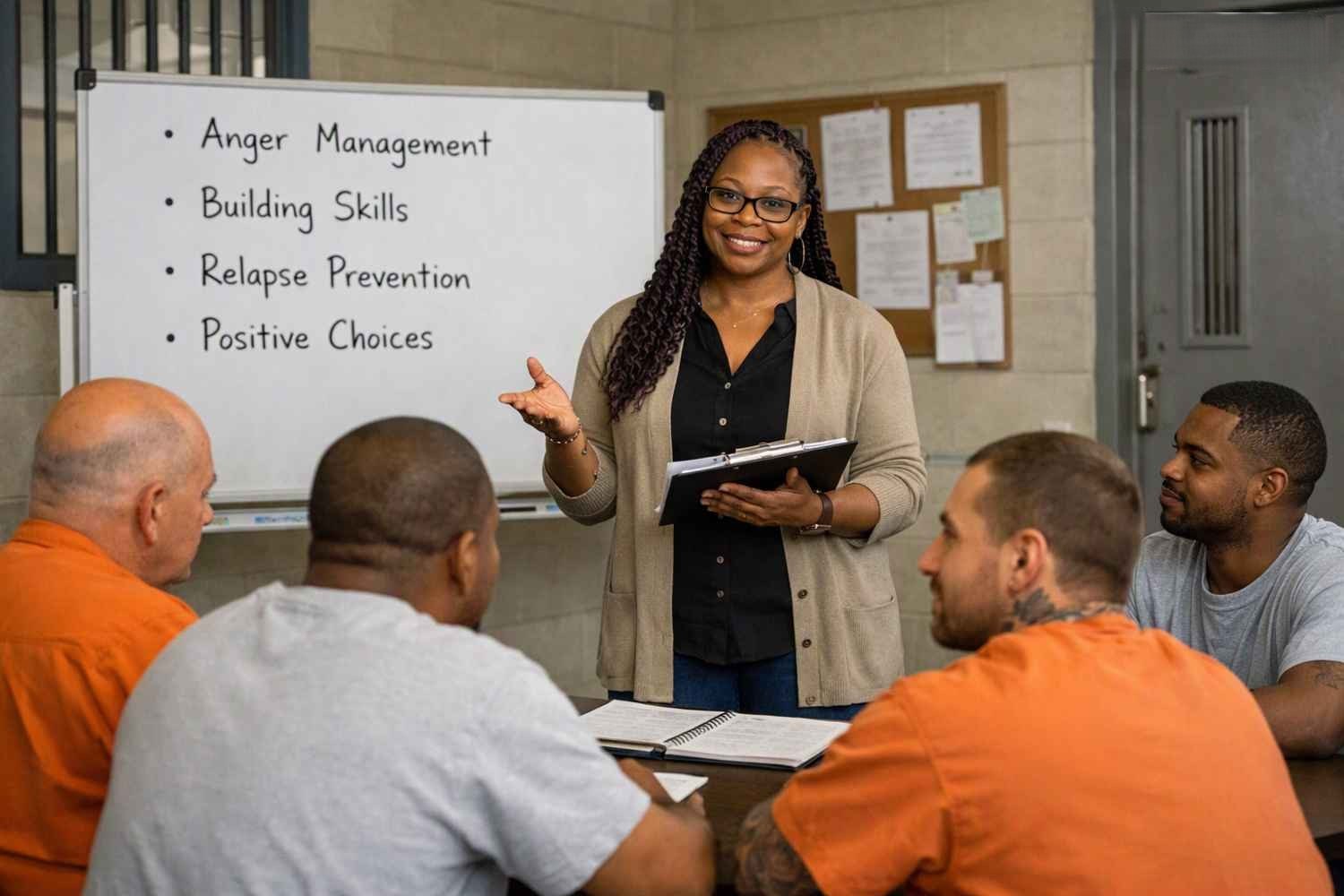
Correctional Education

Critical Incident Behavioral Consultation
Crisis Response, Suicide Prevention & Post-Incident Education
PsyConsults provides educational programs and consultation designed to strengthen crisis response, suicide prevention awareness, de-escalation skills, and post-incident support practices. Drawing on behavioral science, trauma-informed principles, and public safety experience, these services help law enforcement agencies, community organizations, schools, and other stakeholders better understand behavioral health concerns, recognize warning signs of crisis, and apply effective communication strategies during high-stress situations. Training may include crisis intervention concepts, suicide risk awareness, behavioral cue recognition, post-critical-incident debriefing, resilience and wellness education, and collaborative approaches to community safety. The goal is to enhance preparedness, improve decision-making, support officer and community well-being, and promote safer outcomes through education, practical insight, and evidence-informed guidance. All services are educational and consultative in nature and do not constitute clinical treatment, counseling, or psychological services.


Community and Education
Investigative Information Gathering Support
PsyConsults assists agencies with structured, non‑clinical investigative information gathering. This includes behavioral interviewing concepts, evidence‑informed questioning strategies, case‑related information development, and methods for organizing and interpreting behavioral data. The service supports officers and investigators by improving clarity, consistency, and effectiveness in interviews and information searches. This is not forensic interviewing of victims or suspects in a clinical capacity — it is behavioral guidance for investigative processes.


Training & Educational Support
PsyConsults offers training modules, workshops, and educational content focused on behavioral indicators, trauma‑aware approaches, de‑escalation principles, investigative behavioral concepts, and interagency collaboration. These trainings help agencies strengthen operational readiness, improve response strategies, and build a deeper understanding of behavioral science in justice‑system environments. All training is non‑clinical and designed for professional development, not therapeutic instruction.